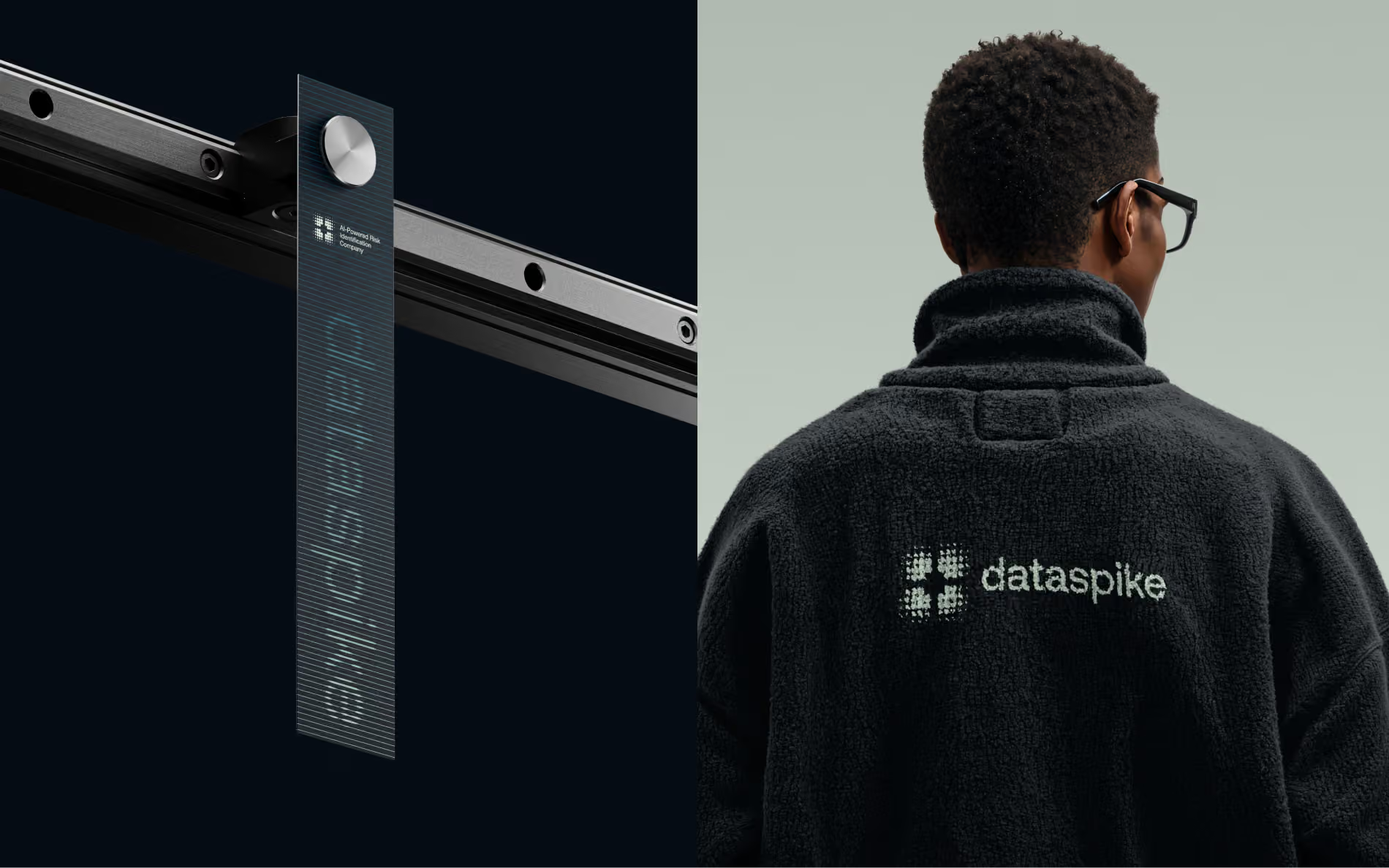

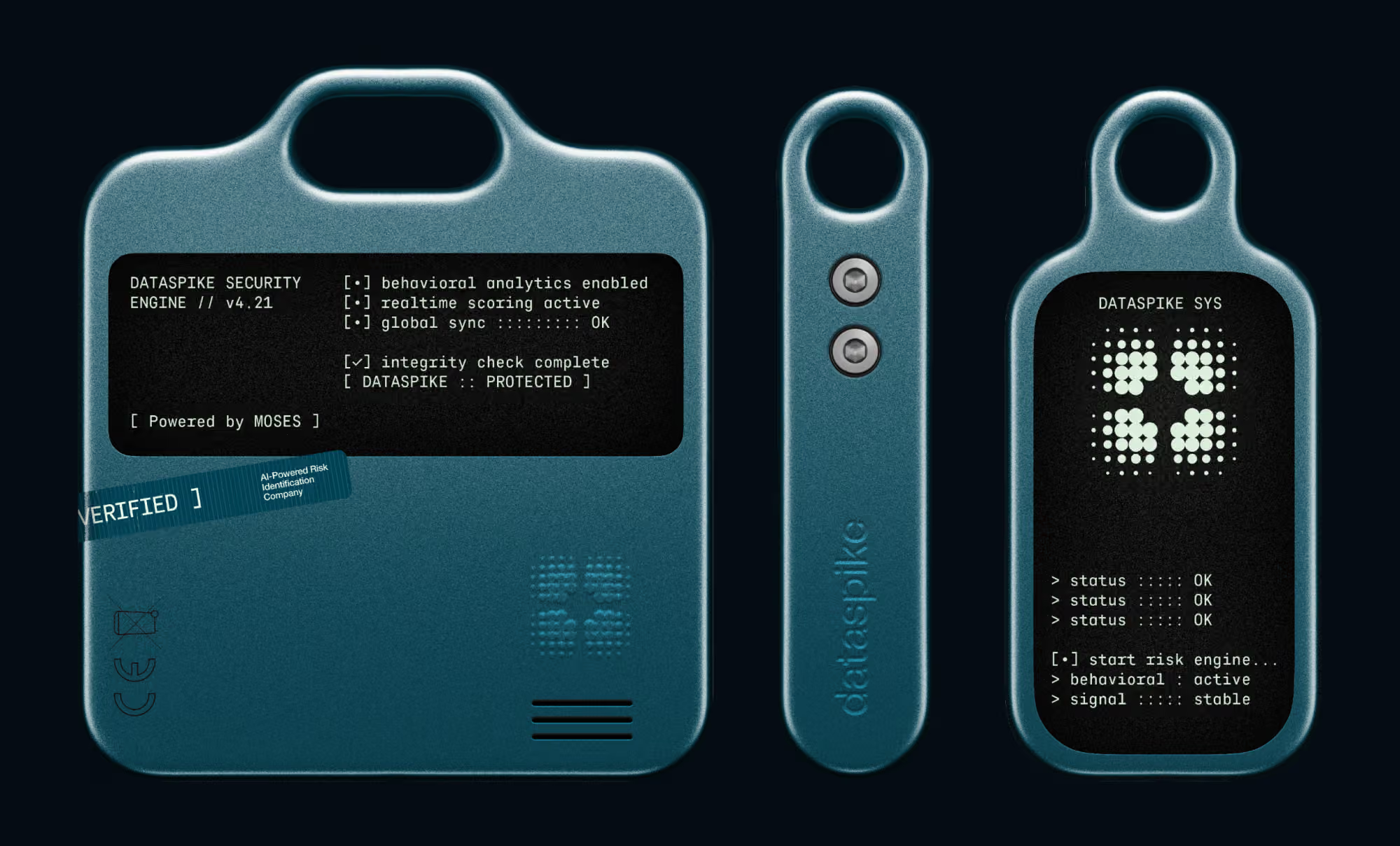
This led to a visual system where the digital environment feels almost physical. The approach also aligned with a broader shift in interface design: from flat UI toward more tactile and dimensional systems. The typographic system is built around Helvetica. The choice was connected not only to its modernist heritage, but also to its perception within American visual culture — precise, neutral, and universal.
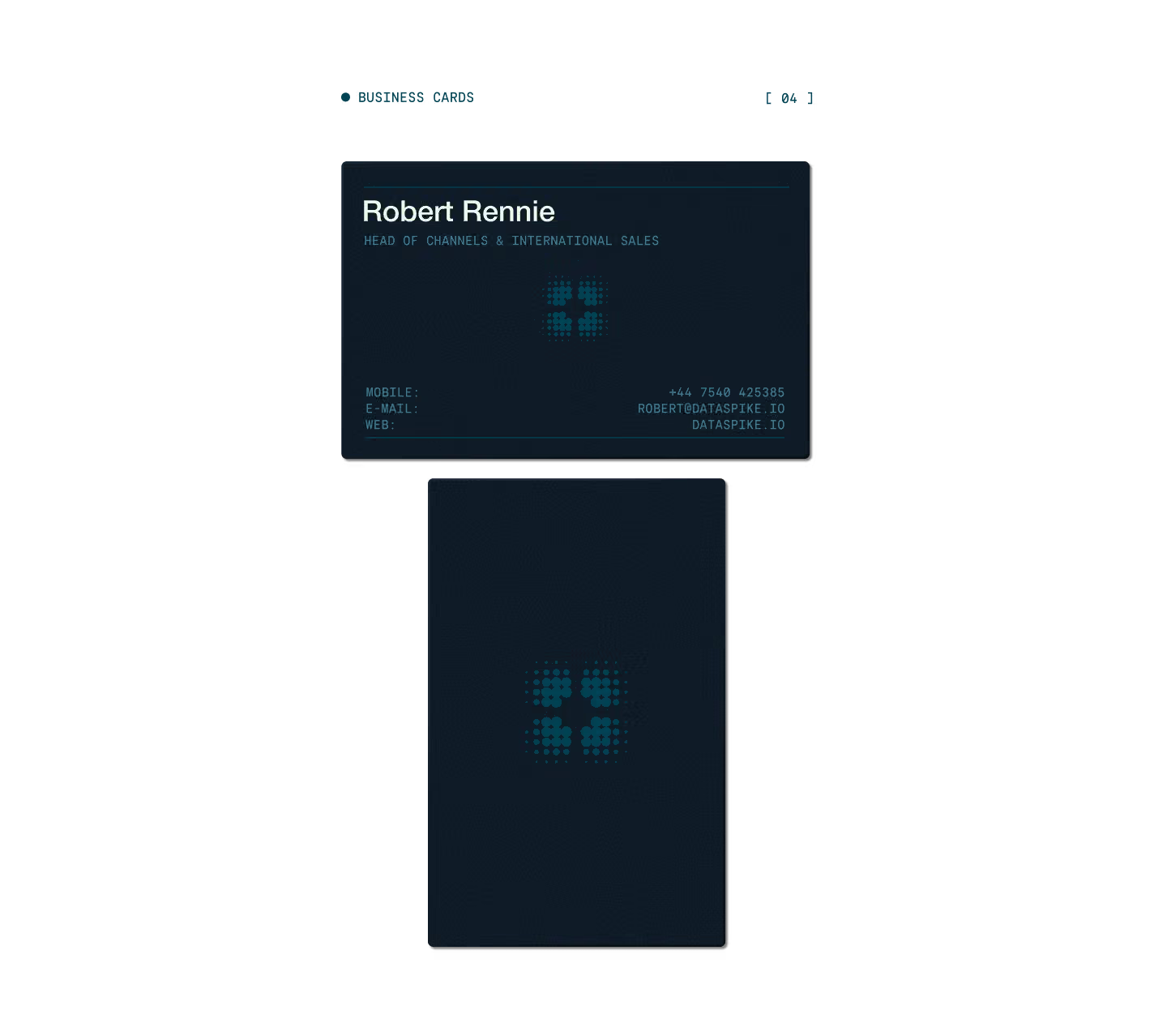
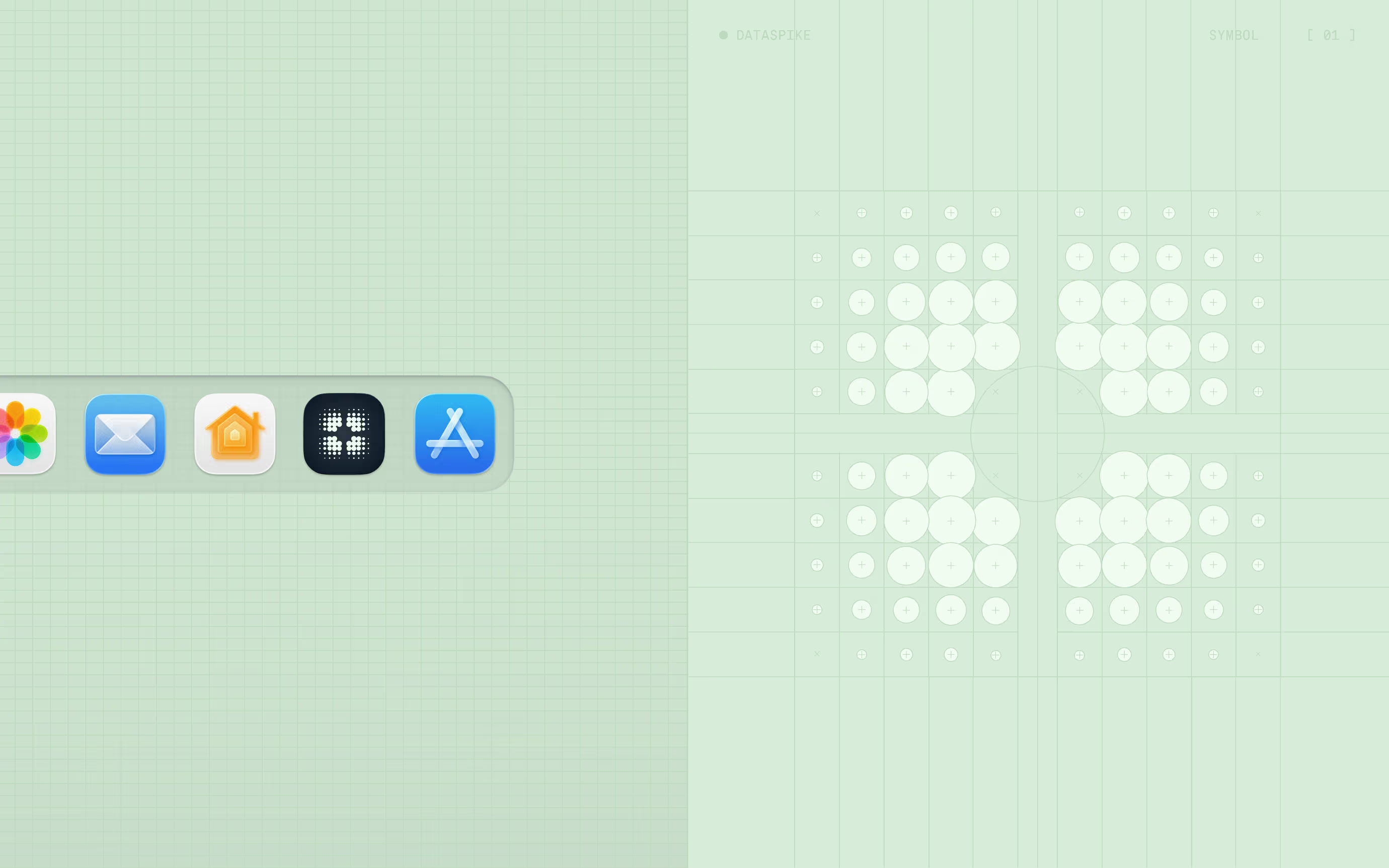
The logo remains direct and functional, without competing with the surrounding system. Its structure also subtly references a targeting scope — a metaphor for detecting threats within large volumes of data.
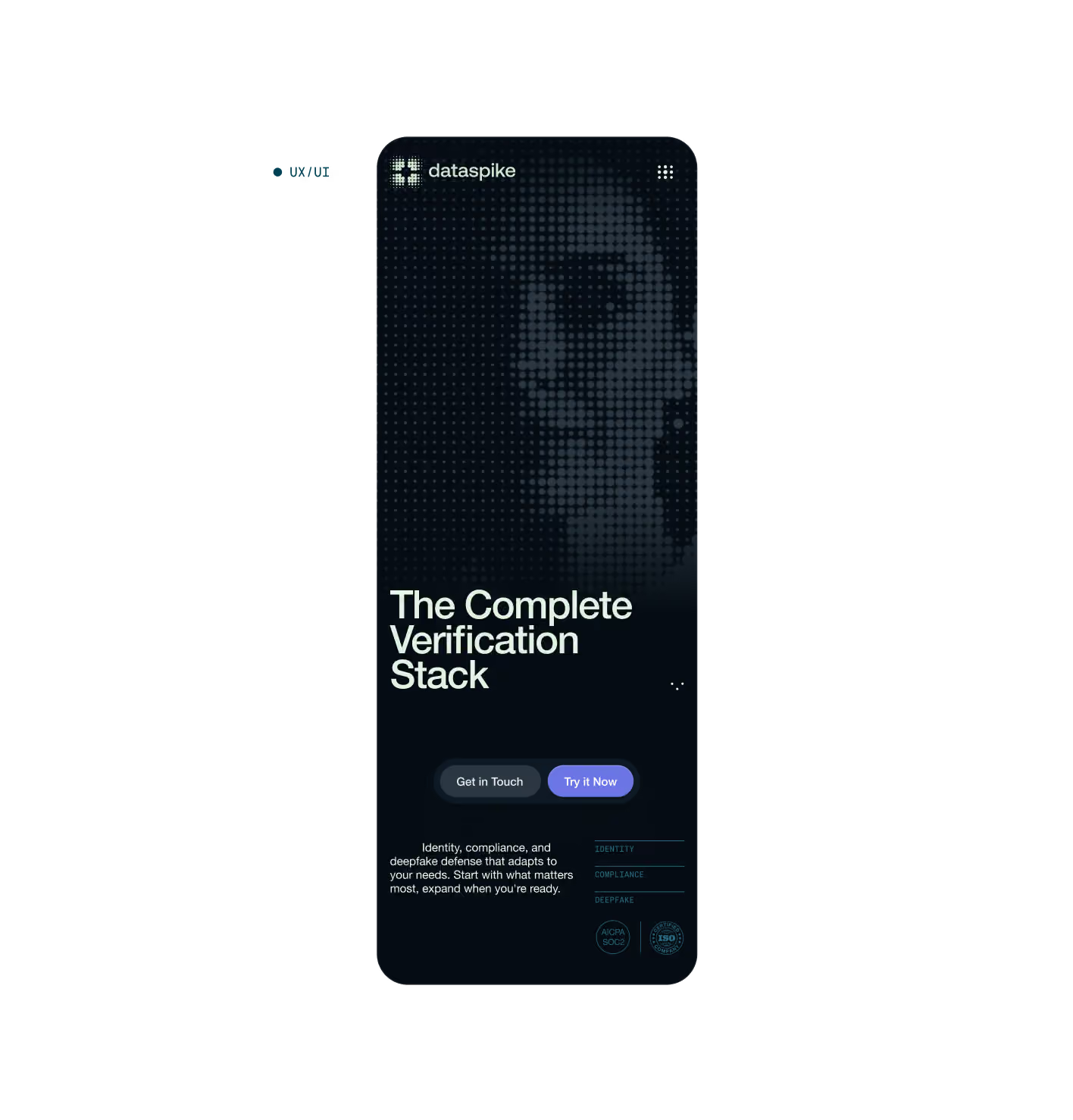
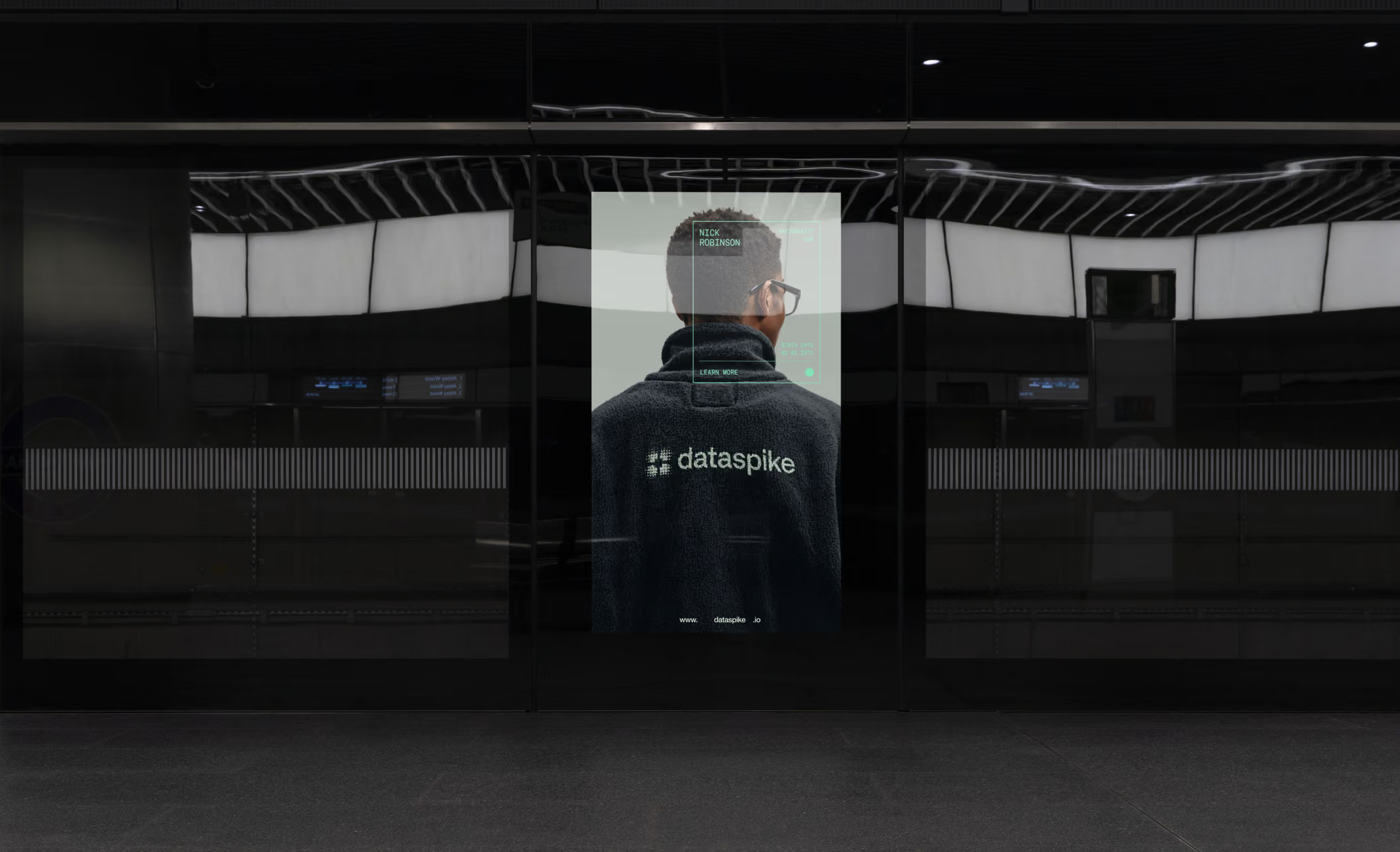
Data itself became the foundation of the visual language. The identity combines physical interface elements with data structures. Lines, charts, dots, analytical schemes, and signal forms are used as visual metaphors for the information flows DATASPIKE works with. Within the system, these data structures gradually form human silhouettes — reflecting the company’s core principle: identifying real people within massive volumes of data and separating fraudulent behavior from legitimate activity.
The website continues the same identity logic. The interface was designed to feel like an instrumental environment: controlled, precise, and physically tangible. Depth, lighting, interface states, and signal systems are used not as stylistic decoration, but as tools to reinforce the platform’s reliability.